2017년 2월 24일 금요일

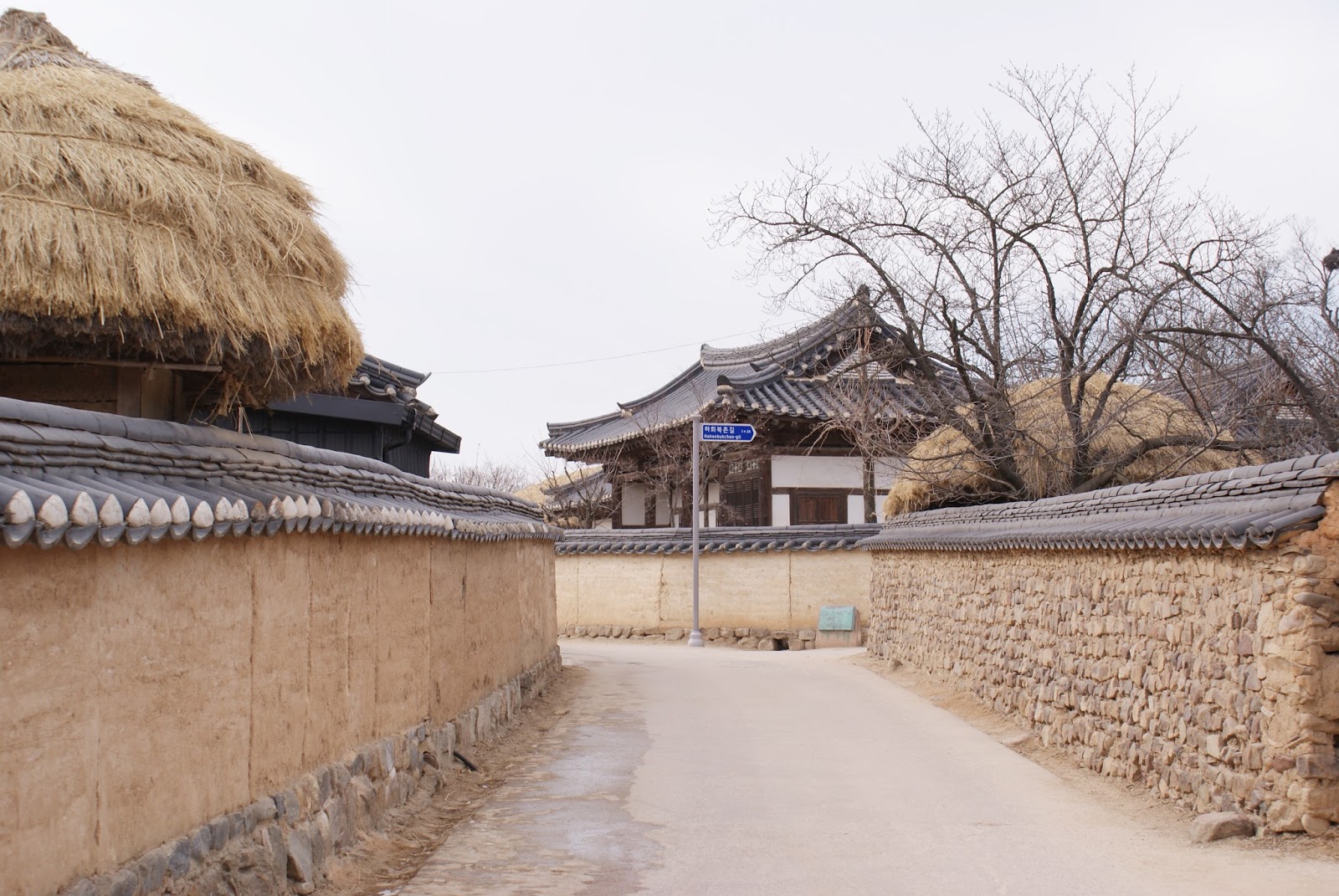
Andong - Hahoe Village


Hahoe is the village where the members of Ryu family which originated from Hahoe Village have lived together for 600 years.The village was listed by the South Korea government as a UNESCO World Heritage site in 2010.


From Andong Ex Bus terminal downtown, tourists are accessible to ticket office of the village by internal city bus 46 (Fare: KRW1,200). Near ticket office, there are traditional style restaurants and museum.


At the ticket office, tourists should take a shuttle to move to the village. The village's operation hour is 9am to 8pm (winter season 9am to 5pm) at KRW3,000.

It is a representative village for one family where tile-roofed houses and thatched roofed ones have been quite well conserved for a long time.


There is a 600-yeay-old zelvoka tree at the center of the village. It is considered as the residence of goddess called Samsin who is in charge of pregnancy, child birth and its fostering.


The reason for the village name Hahoe(Ha means a river and Hoe means turning around) was that the Nakdong River flows around the village in an S shape.


There is a cliff across the river called as Buyongdae Cliff. Tourist can reach there by a boat at KRW3,000 except for winter season. The whole scene of Hahoe comes to view on the top of the cliff. Beside the cliff, there are Okyeon Pavilion and Hwacheon Confucian Academy.


The village is especially well known as the birth place of Ryu Unryong and Ryu Seongryong. They were brothers: the one was a great Confucian scholar of the Joseon Dynasty: the other was Prime Minister during the period of the Japanese Invasion(from1592 to 1598) called Imjinwaeran.


There is Byeongsanseowon Confucian Academy related to Ryu Seong-ryong. View seen from the Byeongsanseowon to the mountains and the river is famous.


2016년 6월 7일 화요일

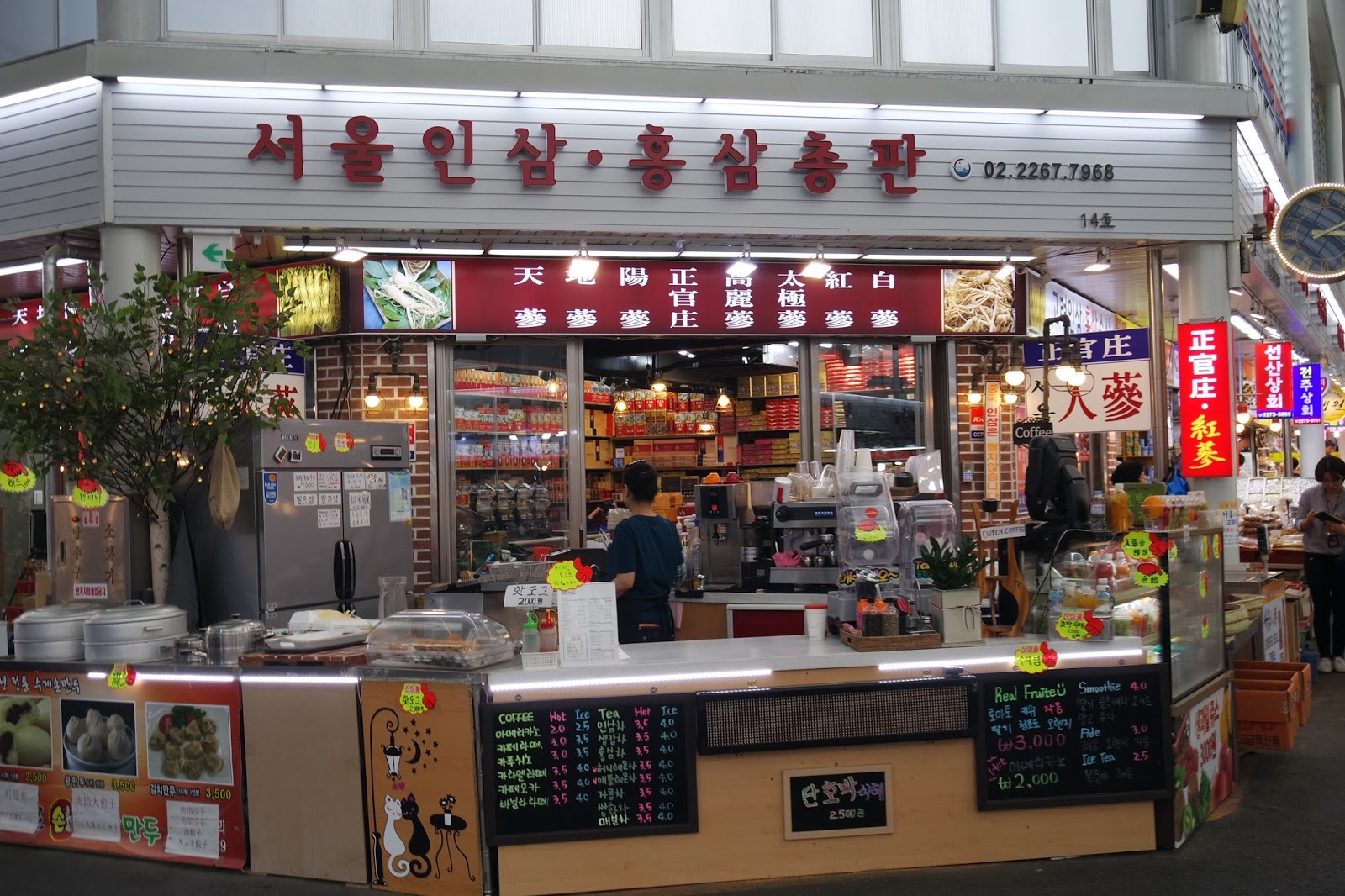
Seoul - Kwangjang Market & Chungbu Market

Kwangjang Market

The Kwangjang Market was established in 1905 and at present it is the largest comprehensive retail and wholesale market in Korea that sells hanbok (traditional Korean clothing), fabric, clothing, bedding, crafts, mother-of-pearl lacquerware, farm produce and kitchen utensils. The shops close at 6 pm.
Operated by kind-hearted merchants that embody the warmth of the Korean people, the market is a great place to eat delicious food and purchase various items at inexpensive prices.


1. Wedding Preparations

    Especially it is famous for one-stop shopping destination for a bride and a bridegroom who need for a wedding.
There are lots of Hanbok shops which are clustered together on the market's 2nd floor. They focus on traditional hanbok rather than modernized hanbok. Generally a bride and bridegroom prepare their traditional costums to wear after wedding ceremony. Mothers wear hanbok in the ceremony: a bride's mother wears red type colored costum while a bridegroom's mother wears blue type colored costum. The prices of hanbok range from KRW350k to KRW450k.


There are places that writes "wedding letters" that is sent by the groom's father to the bride's home with presents before the wedding takes place.


After being measured for a custom-made hanbok, wedding family can purchase items for the pyebaek (a traditional ceremony with food held at the groom's house but at present in wedding hall after wedding ceremony) and ibaji (food prepared by the bride's family for the wedding).


There are lots of shops that sells various beddings at the bedding plaza located in the middle of the market.


2. Mecca of Korean Fashion
    It has everything that you need to make your own clothes; shops to sell the latest high quality imported fabrics, special fabrics such as silk, linen, knit clothes and jersey, imported vintage goods such as shoes, bags and various clothing-related accessories, all of the materials required to make clothing including buttons, thread, zipper and laces.


3. Others

4. Street Foods
    The food alley, which stretcheds from the north 2 gate to the south 1 gate and the east gate, sells the famous bindaetteok and mayak gimbap as well as Korean-style raw beef, sundae and various types of whoe (raw fish), juk (porridge) until late (midnight). You will experience the unique flaveoand atmosphere of the market.


Chungbu Market

At Jungbu Market, a wide assortment of dried food such as laver, seaweed, anchovies, yellow corbinas, squid, pollack, and dried filefish fillets are available at low prices. Known for both wholesale and retail sales, Jungbu Market offers goods at prices 20-30% lower than those found at other markets. The market opens at 4am and most stores close around 5pm.